The landscape of modern education has undergone a seismic shift, moving away from traditional four-walled classrooms toward more fluid, technology-driven environments. As we navigate this evolution, two terms often dominate the conversation: hybrid learning vs blended learning. While they might sound like interchangeable buzzwords, they represent distinct pedagogical frameworks designed to meet different student needs. Understanding these nuances is essential for educators, administrators, and students who want to leverage digital tools effectively. Blended learning typically focuses on enriching the in-person experience with supplemental online materials, creating a cohesive, “blended” curriculum. On the other hand, hybrid learning is built on the foundation of flexibility, allowing students to choose between physical attendance and remote participation in real-time.
In a blended model, every student follows the same path, utilizing digital resources to enhance classroom discussions. In a hybrid model, the goal is often equity of experience regardless of location. This article explores the intricate details of both models, providing a comprehensive roadmap for navigating the future of education. By the end of this guide, you will have a clear grasp of how to implement these strategies to foster engagement, accessibility, and academic success in any learning environment.
Analyzing the Core Philosophy
The journey into modern pedagogy begins with a fundamental look at how we define the “classroom” in a post-digital age. We see two different answers to the same problem: how to make education more efficient. Blended learning acts as a bridge, taking the traditional lecture-based model and infusing it with digital interactivity. It assumes that the physical presence of the student is a constant, using the online component to provide self-paced mastery or pre-class preparation. This model is highly effective for maintaining a structured environment while introducing students to the digital literacy skills they will need in the professional world.
Conversely, the hybrid model challenges the very necessity of physical presence as a requirement for learning. It recognizes that life, geography, and personal circumstances can often prevent a student from being physically in a chair at a specific time. By offering a synchronous remote option, hybrid learning democratizes access to elite instruction. Is the goal to enhance the lesson (blended), or is the goal to make the lesson available to anyone, anywhere (hybrid)? This distinction is the bedrock of modern instructional design and dictates everything from software choice to grading.
Furthermore, the impact on the educator is vastly different across these two spectrums. In a blended environment, the teacher acts as a facilitator of digital stations or flipped content. In a hybrid setting, the teacher must become a “multi-modal” communicator, balancing the energy of the room with the digital presence of those on screen. This requires a higher level of technical proficiency and a different approach to classroom management. Students also feel this shift; those in a blended model enjoy a more “tech-forward” traditional experience, while hybrid students gain autonomy over their physical environment.
We are moving toward a world where “going to school” is an action, not just a place. By understanding these frameworks, institutions can build resilient systems that withstand disruptions—be they pandemics or simple transportation issues. As we move forward, the lines may continue to blur, but the core principles of engagement and accessibility remain the focus. Schools that successfully navigate these models see higher retention rates and more satisfied learners who feel their education fits their modern lifestyles.
Implementing Effective Digital Strategies in Modern Schools
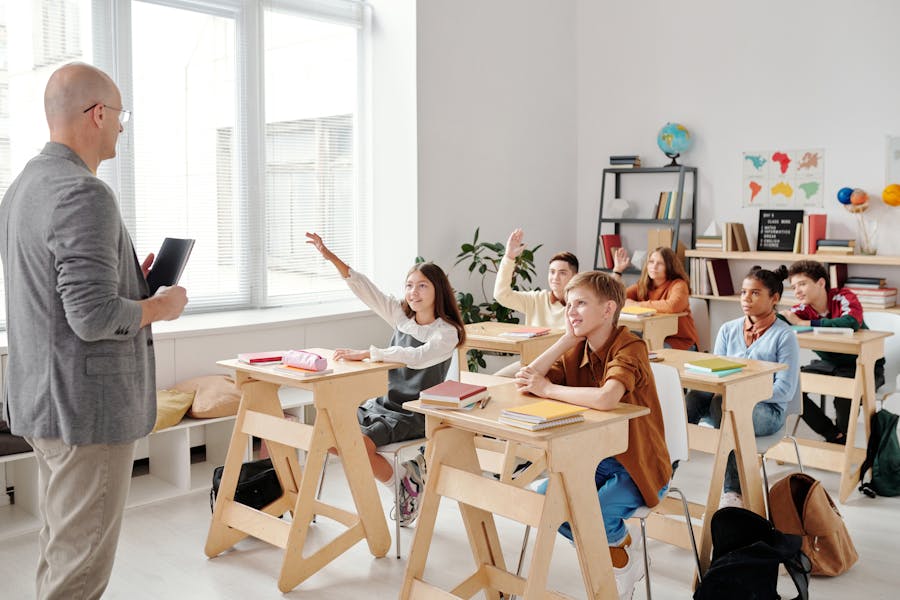
In a blended setting, the flipped classroom is a cornerstone strategy. Students watch lectures at home and use classroom time for active problem-solving. This ensures that the teacher is present when students are doing the “heavy lifting” of applying knowledge, rather than just delivering a monologue. This shift increases student-teacher interaction significantly.
Synchronous vs Asynchronous Dynamics in Hybrid Models
Hybrid learning relies heavily on synchronous communication. While students may be in different locations, they are learning at the same time. This requires high-quality audio and video equipment to ensure the remote experience is as immersive as the in-person one. If the remote students cannot hear the “in-room” questions, the hybrid model fails to provide equity.
Assessment and Feedback Loops Across Different Platforms
Digital platforms allow for instant feedback through automated quizzes, which is common in blended models. In hybrid models, assessments must be designed to be “proctor-proof” or open-book, focusing on critical thinking rather than rote memorization, since the teacher cannot monitor every student’s physical environment.
Equity of Experience for Remote and In-Person Learners
The biggest challenge in hybrid learning is the “second-class citizen” effect for remote learners. To combat this, educators must intentionally call on remote students and use collaborative digital whiteboards. In blended learning, equity is less of an issue because everyone is in the same room, but access to high-speed internet at home remains a critical factor for the “online” portion of the blend.
Why Flexibility Matters
When deciding between hybrid learning or blended learning, the choice usually depends on the specific goals of the institution and the demographic of the students. Both models offer unique advantages that cater to different learning styles and logistical needs.
Geographic Diversity: Hybrid learning is the clear winner when your student body is spread across different cities or time zones. It allows for a global classroom without the need for travel.
Resource Integration: Blended learning is ideal for K-12 environments where social development is a priority. It keeps children in a supervised, social setting while teaching them how to use digital tools responsibly.
Cost Efficiency: While hybrid setups require a higher initial investment in classroom technology (cameras, mics), they can lead to lower long-term facility costs. Blended learning requires less specialized hardware but high-quality software licenses.
Student Autonomy: Mature learners, such as graduate students or working professionals, often prefer the hybrid model because it respects their time and professional commitments.
Curriculum Complexity: For subjects that require heavy hands-on lab work, a blended model is often better, as the “online” part handles the theory while the “in-person” part focuses on the physical experiments.
Resiliency Planning: Institutions that have a hybrid infrastructure in place are much more resilient to weather-related closures or public health crises compared to those using only traditional or basic blended models.
How to Design a Curriculum for Diverse Learning Environments
You must first identify your primary objective. If you want to maximize classroom engagement, choose blended. If you want to maximize attendance and reach, choose hybrid. Use simple tools to start. A Learning Management System (LMS) like Canvas or Google Classroom acts as the “home base” for both models.
In a hybrid setup, keep your instructions concise. Remote students can easily lose focus if the lecture is a 60-minute monologue. Break your lessons into 15-minute “micro-learning” chunks. Use polls and chat features to keep the remote audience engaged. For blended learning, ensure that your online content is not just “busy work.” It must directly relate to the activities you will do in the classroom the next day. This creates a cohesive narrative for the student.
The Future of Education Trends
As high-speed internet becomes a global standard, the barriers to entry for hybrid models are falling. Schools are now investing in “HyFlex” classrooms, which represent the ultimate evolution of the hybrid model, giving students the daily choice of how they attend.
The Integration of AI in Blended Systems
Artificial Intelligence is currently revolutionizing the blended model. AI tutors can provide personalized support to students during the “online” portion of their blended curriculum. This allows the human teacher to focus on high-level mentorship during in-person hours. This synergy is making blended learning more effective than traditional methods.
Gamification and Student Engagement
Leaderboards, badges, and interactive simulations keep students motivated. In a hybrid world, gamification helps bridge the gap between the physical and digital students, giving them a common “playing field” to compete and collaborate on.
Addressing the Digital Divide
For these models to be successful, institutions must provide hardware and hotspots to underprivileged students. Education is a right, and in the digital age, that right includes the bandwidth to participate in a hybrid or blended environment.
Conclusion
The evolution of the modern classroom has reached a pivotal juncture where the choice between hybrid learning vs blended learning defines the future of academic success. As we have explored, these two methodologies are not merely technical setups but philosophical approaches to how we share knowledge. Blended learning serves as a sophisticated enhancement of the traditional classroom, weaving digital resources into the fabric of face-to-face instruction to create a seamless, tech-rich experience. It prioritizes the “how” of learning, ensuring that every student has access to interactive, self-paced materials while maintaining the vital social bond of physical presence. This model is a testament to the power of integration, proving that technology works best when it supports, rather than replaces, the human element of teaching.
Ultimately, there is no one-size-fits-all solution in a world as diverse as ours. Institutions must remain agile, utilizing blended techniques to deepen engagement and hybrid structures to expand their reach. By embracing these innovative frameworks, we move toward an educational landscape that is more resilient, inclusive, and prepared for the challenges of the 21st century. The goal remains clear: to foster a love for learning that transcends the boundaries of the physical classroom.
Frequently Asked Questions (FAQs)
Can a course be both hybrid and blended?
Technically, yes. A course can use a blended approach (using online tools for homework) while also offering a hybrid attendance option (allowing students to join the live lecture remotely).
Is hybrid learning more expensive to implement than blended learning?
Generally, yes. Hybrid learning requires sophisticated audio-visual equipment in the classroom to ensure remote students can participate effectively, whereas blended learning mostly requires students to have individual devices.
Which model is better for young children?
Blended learning is usually preferred for younger students. It provides the necessary social structure and teacher supervision while introducing digital literacy in a controlled environment.
Do teachers need special training for hybrid learning?
Absolutely. Managing a physical audience and a digital audience simultaneously is a skill that requires training in “multi-tasking” instruction and troubleshooting technical issues on the fly.
What is the most common challenge in a hybrid classroom?
The most common challenge is “remote student isolation.” Without intentional effort, teachers often forget to interact with the students on the screen, leading to disengagement for the remote group.