The educational landscape of 2026 has shifted from a singular focus on standardized testing to a more comprehensive model that prioritizes the “whole child.” At the center of this evolution is a critical question for educators and parents: what is social emotional learning in the classroom? This framework involves the process through which children and adults acquire the skills to manage emotions, set positive goals, feel empathy for others, and establish healthy relationships. It is no longer viewed as a peripheral “soft skill” but as the essential cognitive foundation required for academic success. When students feel emotionally secure and socially connected, their capacity for high-level reasoning and memory retention increases significantly.
Integrating these practices into daily routines ensures that schools become environments where psychological safety is the norm. We provide students with the tools to navigate the complexities of a digital and globalized society. Research consistently indicates that schools employing these strategies see a marked improvement in student behavior and a decrease in emotional distress. This proactive approach transforms the classroom into a community of learners who are not only prepared for exams but are also equipped with the interpersonal resilience needed for lifelong success in their future careers and personal lives.
Implementation of Behavioral Intelligence Frameworks
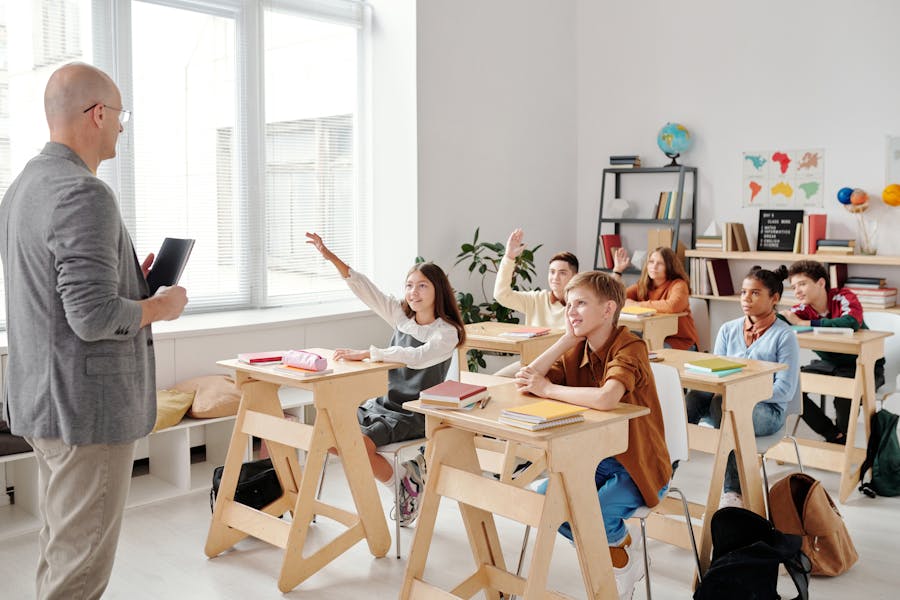
Implementation of behavioral intelligence begins with a fundamental shift in how we perceive student engagement and academic participation. This process starts with the teacher modeling the very behaviors they wish to see in their students, such as patience and active listening. By creating a consistent routine where students feel their voices are heard, the classroom transforms into a supportive community rather than just a room for lectures.
Furthermore, this framework requires a dedicated space within the daily schedule to address the internal lives of students. It is not enough to mention kindness once a year; it must be woven into the fabric of every lesson. For instance, a literature teacher might explore the emotional motivations of a character to build social awareness, while a math teacher might encourage self-management during a difficult problem-solving session. This cross-curricular integration ensures that the skills are practiced in real-time scenarios, making them more likely to stick throughout a child’s developmental years.
Building a culture of empathy also involves physical and structural changes to the learning environment. This might include “calm-down corners” or flexible seating that allows for better peer interaction. The goal is to reduce the “affective filter” the emotional wall students put up when they feel stressed or threatened which often blocks their ability to absorb new information or participate in class.
Ultimately, the long-term impact of these practices is measured by the climate of the school itself. In schools where student well-being is a priority, there is a noticeable decline in bullying and a significant increase in student agency. Students learn that their emotions are data, not directives, and they gain the vocabulary to express their needs without resorting to disruptive outbursts. This maturity creates a “rising tide” effect where the entire classroom’s productivity increases because less time is spent on disciplinary interventions and more time is spent on deep, meaningful exploration of the curriculum.
Finally, we must recognize that this is a collaborative effort involving parents and the broader community. When there is a seamless transition between the emotional expectations of the home and the school, children develop a more cohesive sense of self. This holistic support system is what ultimately prepares a student to face the pressures of the 21st century with resilience, grit, and a compassionate heart.
Breaking Down the Five Competencies
To make this accessible for educators, we break it down into these actionable points:
Self-Awareness: The ability to recognize one’s own emotions and thoughts and how they influence behavior.
Self-Management: Regulation of emotions and behaviors in different situations to achieve goals and manage stress.
Social Awareness: The ability to take the perspective of and empathize with others from diverse backgrounds and cultures.
Relationship Skills: The ability to establish and maintain healthy and rewarding relationships through clear communication and cooperation.
Responsible Decision-Making: Making constructive choices about personal behavior and social interactions based on ethical standards.
Growth Mindset: Cultivating the belief that abilities can be developed through dedication and hard work.
Benefits of Emotional Support in Education
The data supporting the integration of these programs is overwhelming. When people ask about social emotional learning in the classroom, they are often looking for the ROI, the return on investment for the time spent away from traditional academics. Research indicates that students receiving explicit instruction in these areas see an average 11-percentile point gain in academic achievement. This happens because a regulated brain is a learning brain. When a child is in a state of “fight or flight” due to social anxiety or home stress, the prefrontal cortex the part of the brain responsible for logic shuts down.
Furthermore, the benefits extend far beyond the classroom walls and into the future workforce. Employers today consistently rank “soft skills” like teamwork and problem-solving as more important than technical proficiency alone. These students grow up to be better colleagues and more empathetic leaders, reducing long-term societal costs associated with mental health struggles.
How to Apply Social Emotional Learning in the Classroom
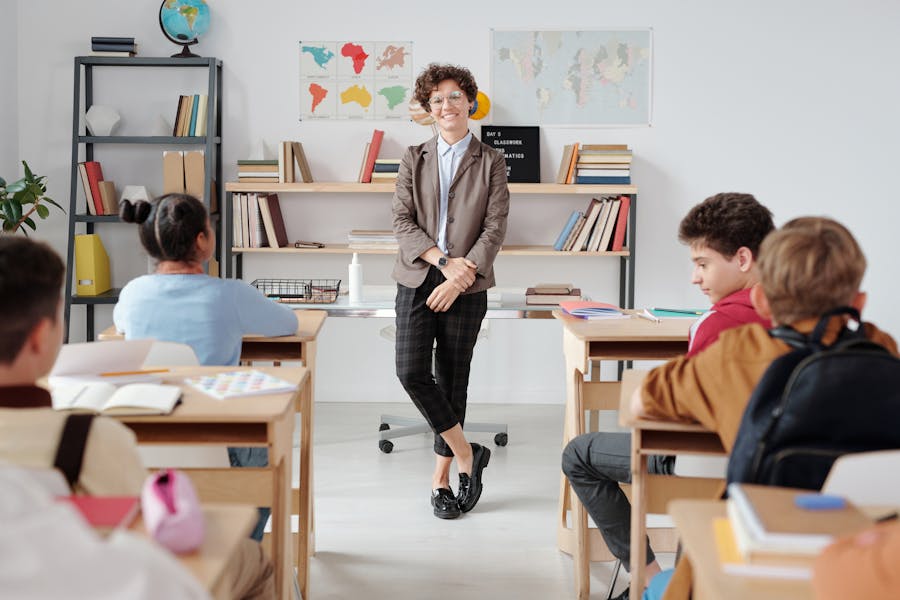
To truly master social emotional learning in the classroom, teachers must first establish a culture of belonging. This involves greeting students at the door, using restorative circles to solve conflicts, and ensuring that every student sees their culture and identity reflected in the curriculum. When a student feels they belong, their cognitive resources are freed up for learning.
Integrating Emotional Literacy into Daily Academic Lessons
You don’t need a separate “SEL hour” to make an impact. Integrating social emotional learning in the classroom means looking for “teachable moments” during math, science, or English. For example, during a difficult lab experiment, a teacher can pause to discuss the frustration students are feeling and model a “calm-down” breathing technique before they continue.
Measuring Progress in Personal and Social Development
Assessment in this field isn’t about letter grades; it’s about reflection. Using journals, self-assessment rubrics, and peer feedback allows students to track their own emotional growth. Teachers can monitor the classroom climate through surveys and observation, adjusting their strategies based on the specific needs of the current student cohort.
Conclusion
The integration of Artificial Intelligence into the educational sector represents the most significant pedagogical shift since the invention of the printing press. AI does not merely digitize existing curricula; What is social emotional learning in the classroom fundamentally reengineers the relationship between student, teacher, and information. By leveraging machine learning algorithms, education is moving away from a “one-size-fits-all” model toward a truly personalized experience. Intelligent tutoring systems can now identify a student’s specific cognitive gaps in real-time, adjusting the difficulty and delivery of content to match their unique learning pace. This ensures that no student is left behind due to a lack of individual attention, while simultaneously allowing advanced learners to progress without artificial constraints.
For educators, AI acts as a powerful force multiplier. By automating administrative tasks such as grading objective assessments, tracking attendance, and managing schedules, AI liberates teachers to focus on what they do best: mentoring, facilitating complex discussions, and providing emotional support. The role of the teacher is evolving from a primary source of facts to a high-level curator of learning experiences. Furthermore, AI-driven analytics provide educators with “early warning systems,” identifying students at risk of falling behind long before traditional assessments would catch them. This allows for proactive intervention that can significantly improve retention and graduation rates.
However, the proliferation of AI in schools also demands a robust ethical framework. Issues of data privacy, algorithmic bias, and the “digital divide” must be addressed to ensure that AI serves as a tool for equity rather than a barrier. We must also rethink how we assess intelligence and academic integrity in an era where generative AI can produce sophisticated essays and code.
FAQs
Does this approach take away from time spent on math and reading?
No, research shows it actually improves performance in those areas by helping students focus and manage academic stress better.
Is this only for younger children in elementary school?
While it starts early, these skills are vital for middle and high schoolers as they navigate more complex social environments and career preparation.
How can I implement this without a formal curriculum?
You can start with simple daily habits like “check-in” questions, modeling calm behavior, and encouraging collaborative group work.
Why is it becoming more popular now?
With the rise of digital distractions and mental health challenges, educators recognize that students need these “human skills” more than ever.